



Description
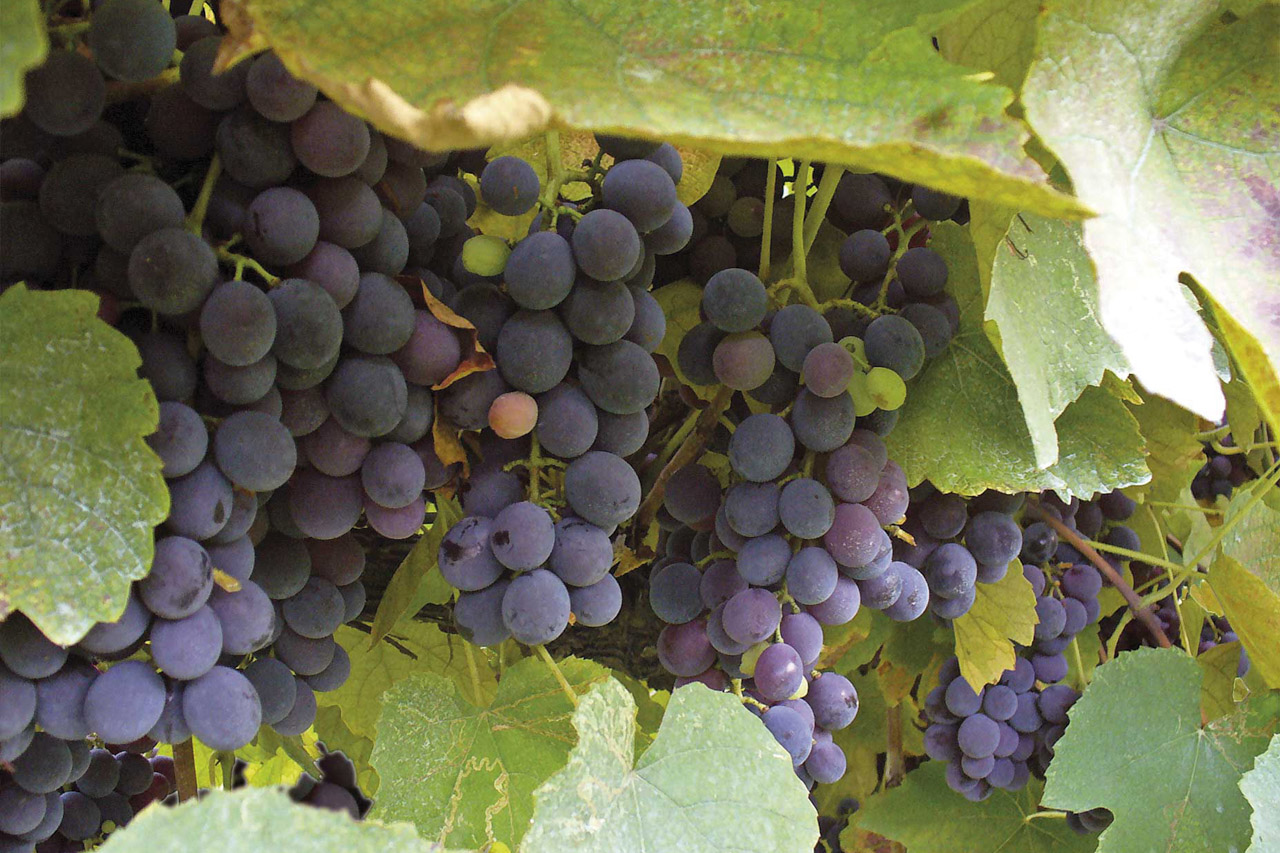
Stafida Ilias PGI is a variety of currant produced from black grapes of the species Vitis Vinifera, dried naturally in the sun or the shade.
Production Area
Stafida Ilias PGI is produced in the old Prefecture of Ilia, in the area of the Peloponnese that now forms part of the region of Western Greece.
Production Method
The vine from which Stafida Ilias PGI is produced is cultivated in soil that is rich in humus and potassium, which contribute to the sweet taste of the grape. The climate of the production area means that the fruit ripens early and they can be harvested in August. Once harvested the grapes are dried in one of two ways. The first is by exposing the grapes directly to the sun on special surfaces called alonia that resemble sloping roofs. The second is by drying them in the shade on special frames, which takes longer than drying in the sun but produces currants that are a very deep black.
Appearance and Flavour
Stafida Ilias PGI is rounder, more uniform in shape and a deeper black colour than other varieties of dried grapes. Due to its higher sugar and tartaric acid content it has a particularly sweet and pleasing taste. Specifically, the minimum sugar content is 70 % and the minimum tartaric acid content 1,69 %.
History
The Prefecture of Ilia has been closely linked with the production of Stafida Ilias since the beginning of the XIV century, as demonstrated by numerous texts since then. Its high quality has been known on the European market since the XIX century, so much so that exports led the area to create a monoculture. An entire rural community therefore moved away from an agriculture that guaranteed self-sufficiency to focus on marketing the product. In 1878, demand for Stafida Ilias rose sharply and it became especially well-known when the French vineyards were destroyed by phylloxera. It was during this period that the products reputation reached a large part of Europe. The Prefecture of Ilia became the centre of trade and a rail line was built to link Pyrgos (the capital of the Prefecture) with the port of Katakolo. The line was built so that the currants could be transported more quickly and easily from the fields to the port to be then loaded onto the ships for export. It was inaugurated on February 3rd 1883 and was the very first rail line to be built in Greece.
Gastronomy
Stafida Ilias PGI should be kept in a cool dry place. It can be used as an ingredient in many cakes, biscuits and desserts, but it can also be used in savoury dishes such as cous cous, "celery boats" ? celery sticks stuffed with mayonnaise, ketchup and cream cheese with currants and olives ? and in salads. In Greek cooking they are often used with white meat and fish. They are usually added to the finished dish, but they can also added to the ingredients during cooking.
Marketing
The product is marketed as Stafida Ilias PGI. They are packaged in suitable containers.
Distinctive Features
Stafida Ilias PGI is dried by natural methods without being forced. Thanks to the favourable climate and the rich sub-soil the currant is particularly sweet and delicate.