



Description
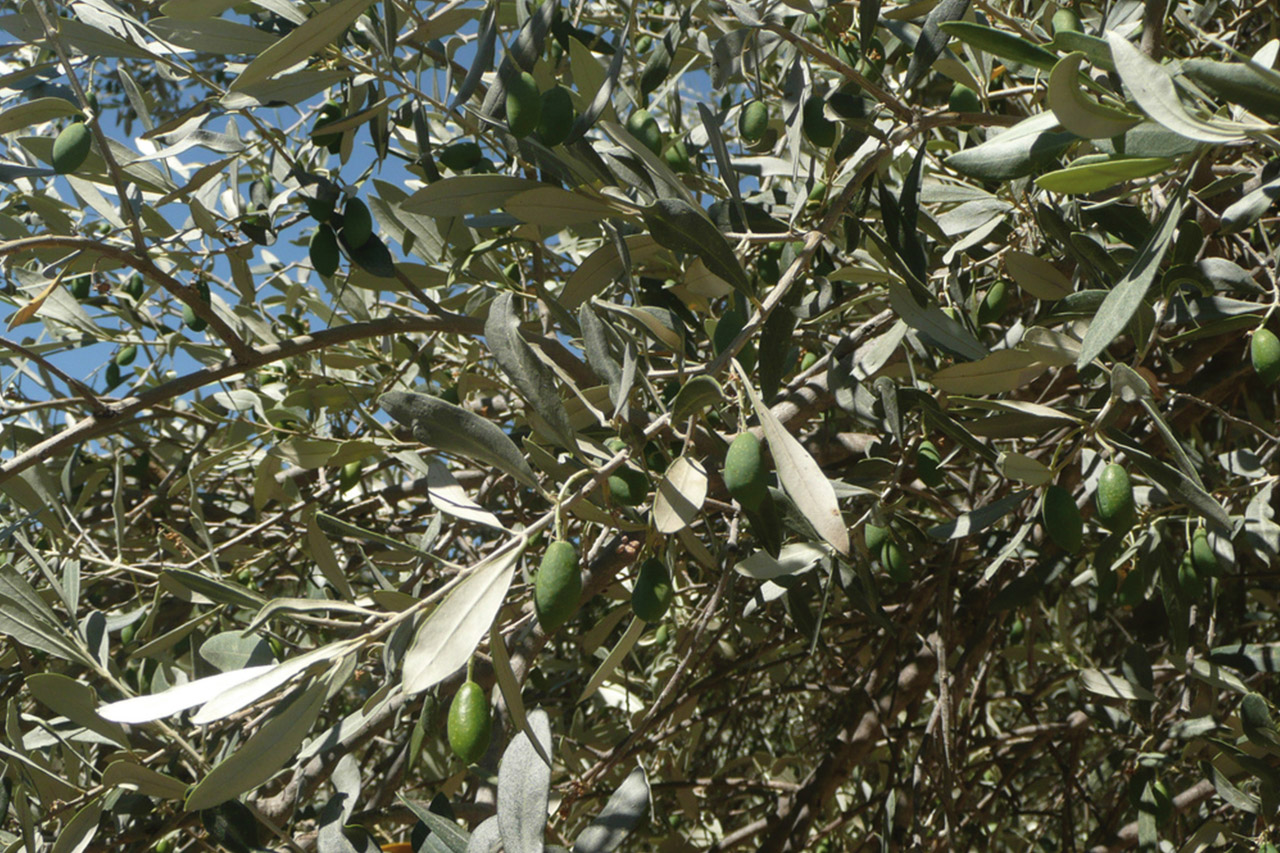
The Konservolia Rovion PDO is a table olive obtained from olive trees of the variety Konservolia.
Production Area
The production area of the table olive Konservolia Rovion PDO is within the administrative boundaries of the Rovies municipal area in Euboea, in the Central Greece region.
Production Method
The olive cultivation is favoured by the area's Mediterranean climate and the fertile terrain, which is rich in calcium. The periodic fertilization takes place in the month of January. The olives are traditionally picked by hand directly from the tree and transported in plastic crates of 30 kg. The olives have a bitter taste once picked, and it is sweetened with the help of a caustic soda solution for 12 hours. The fight against the olive fly is done with the spraying of baits from the soil, using biologic methods, or without any treatment.
Appearance and Flavour
The Konservolia Rovion PDO is a table olive with a green or black colour, according to the ripeness degree. The flavour is mild and fruity.
History
The history of the table olive Konservolia Rovion PDO is linked to the long-standing tradition of the olive tree culture in Greece, which is evidenced in historical sources and archaeological finds, assigning ancient origins to this cultivation.
Gastronomy
The table olive Konservolia Rovion PDO can be preserved for long periods if maintained closed in its container. Once opened, it should be consumed within a few days, making sure to keep the olives immersed in the packaging liquid, at a cool temperature and away from direct light. It is served with aperitifs, in salads and in many other gastronomic preparations.
Marketing
The product is sold as Konservolia Rovion PDO. It is marketed in glass jars of 150 g or 280 g, in plastic receptacles of 5 kg, in tin and plastic cans of 13 kg, preserved in olive oil or pickled, and with the addition of aromatic herbs, spices, almonds, etc.
Distinctive Features
The table olive Konservolia Rovion PDO is very well-known and appreciated for its consistency and its particularly pleasant flavour. The organoleptic qualities of this table olive allow its preservation in pickle or in olive oil, plain or with the addition of aromatic herbs, thus broadening its usage field.