







Description
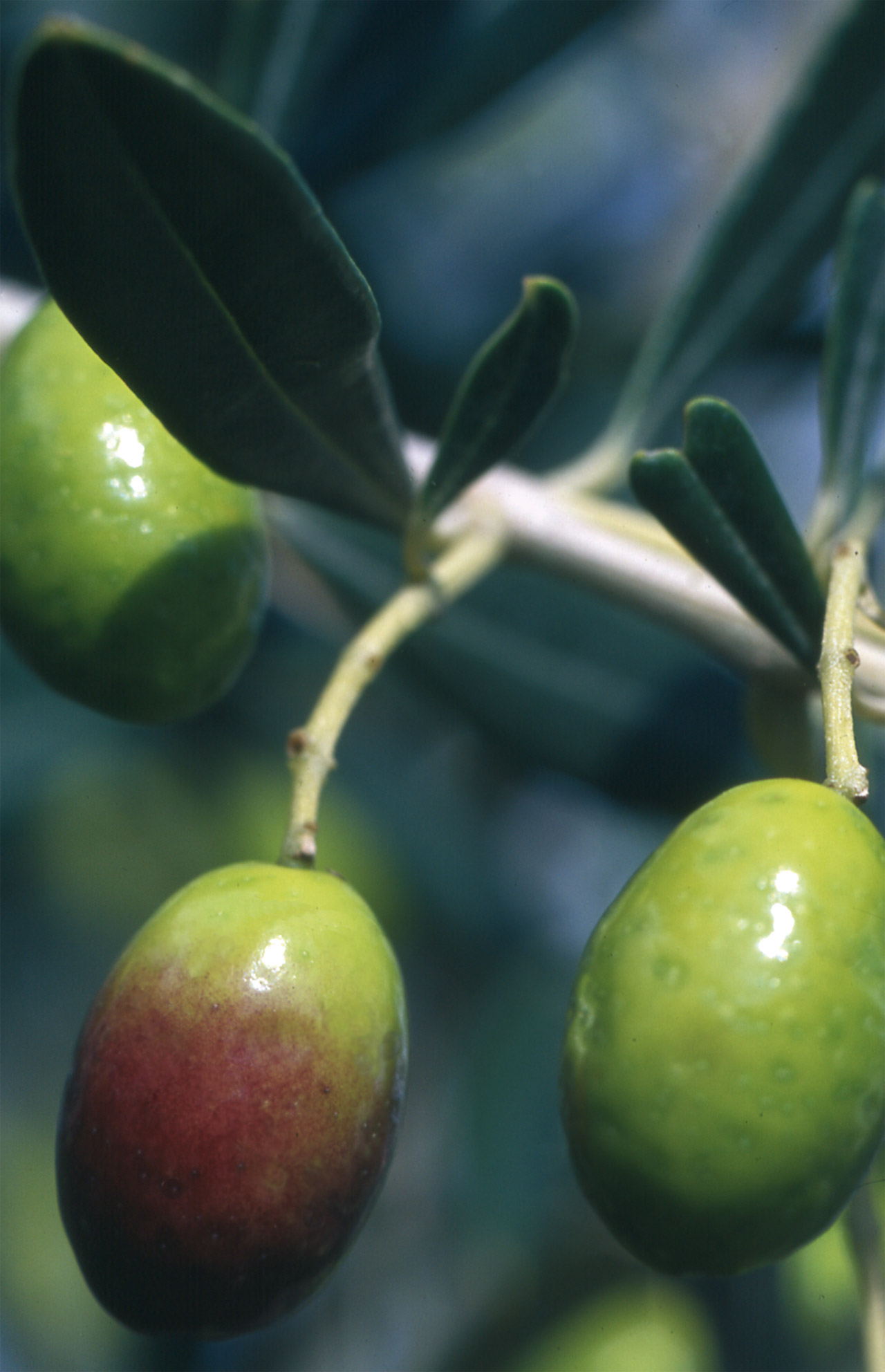
Cilento PDO extra virgin olive oil is obtained from the Pisciottana, Rotondella, Ogliarola, Frantoio, Salella and Leccino olive varieties, which must make up at least 85% of the olive groves, either combined or individually. The remaining 15% can be made up of other olive varieties present in the production area.
Production Area
The production, processing and packaging area of Cilento PDO extra virgin olive oil is within numerous municipalities in the Cilento National Park, in the Province of Salerno, in the Campania region.
Production Method
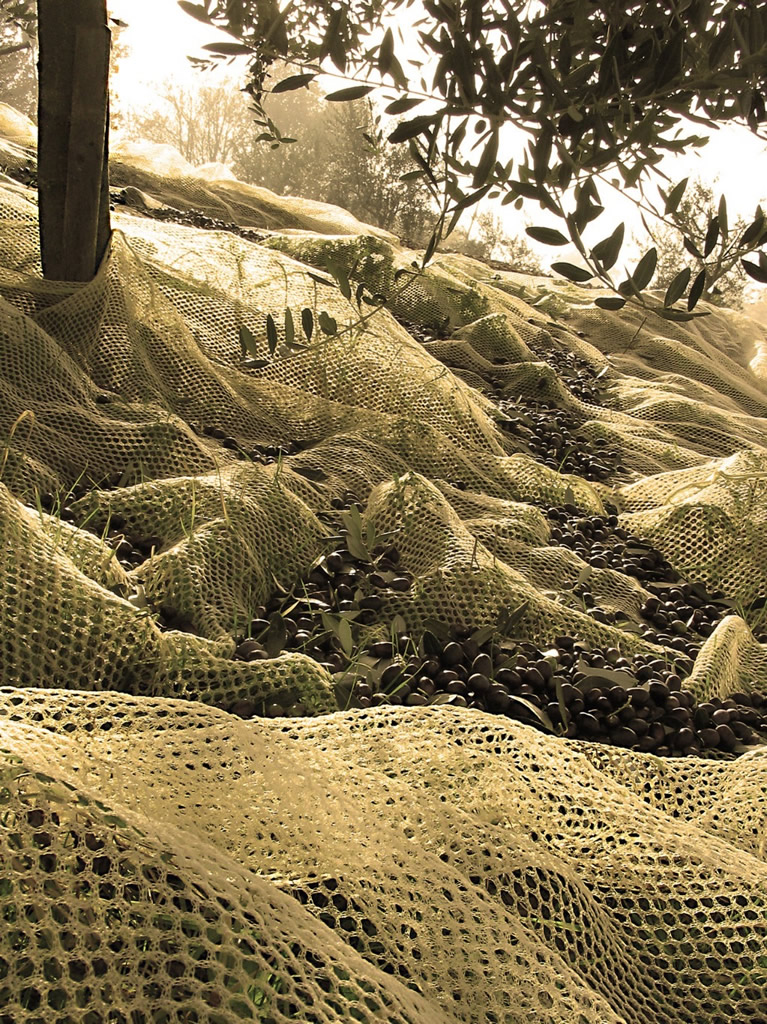
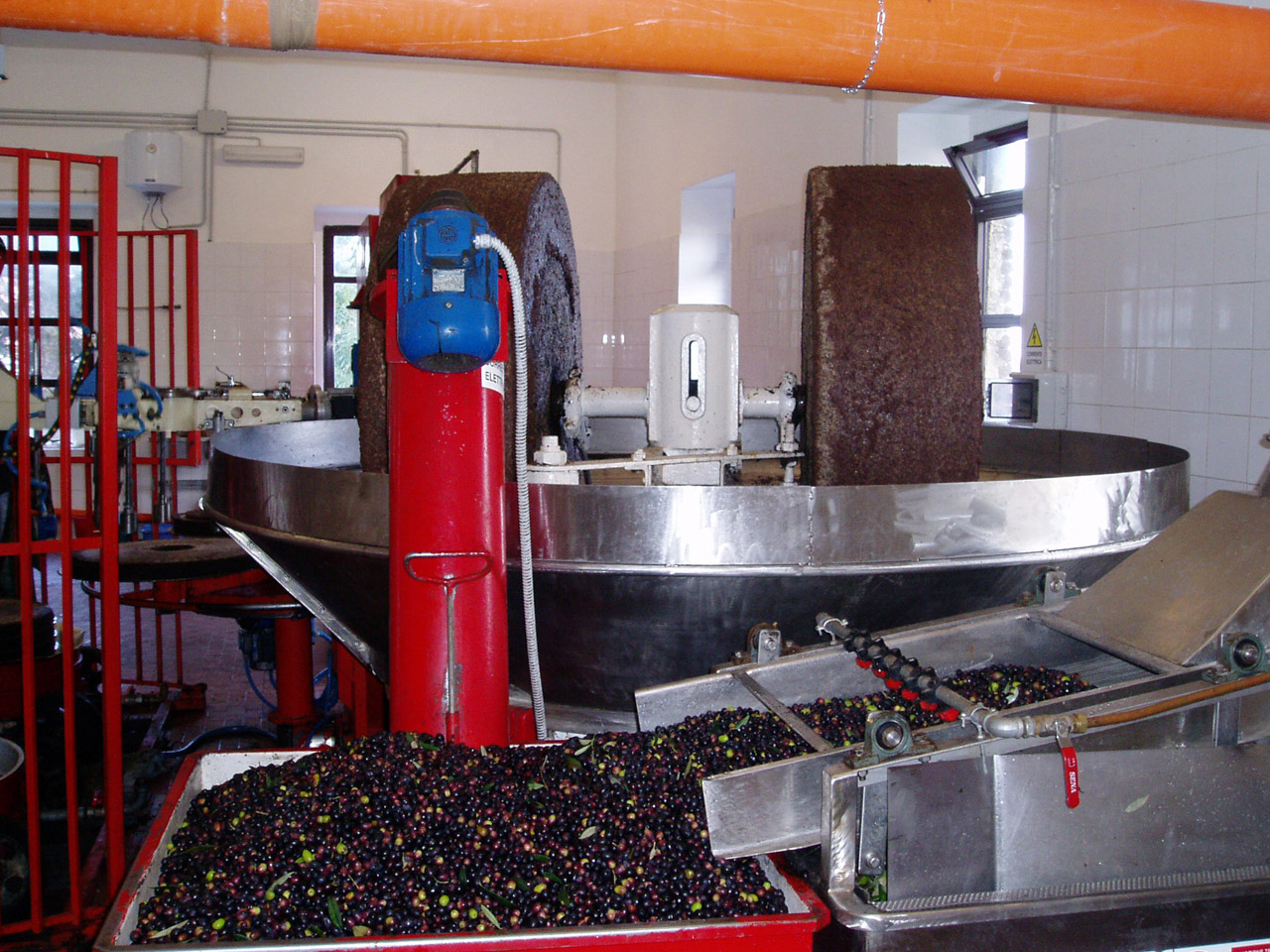
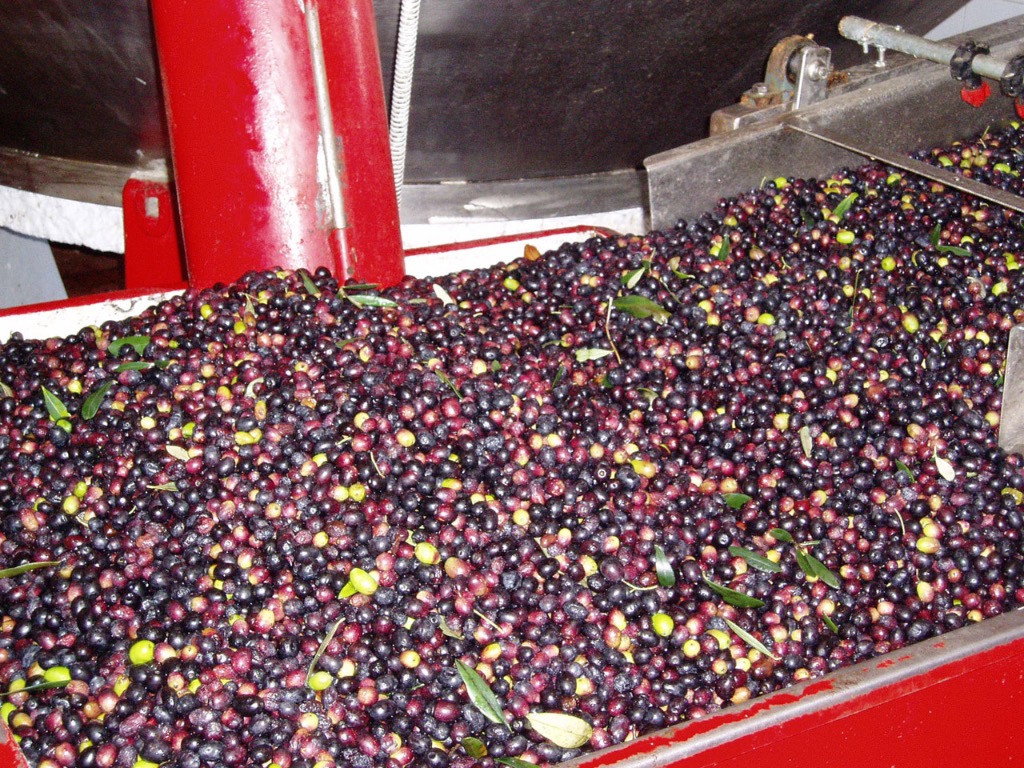
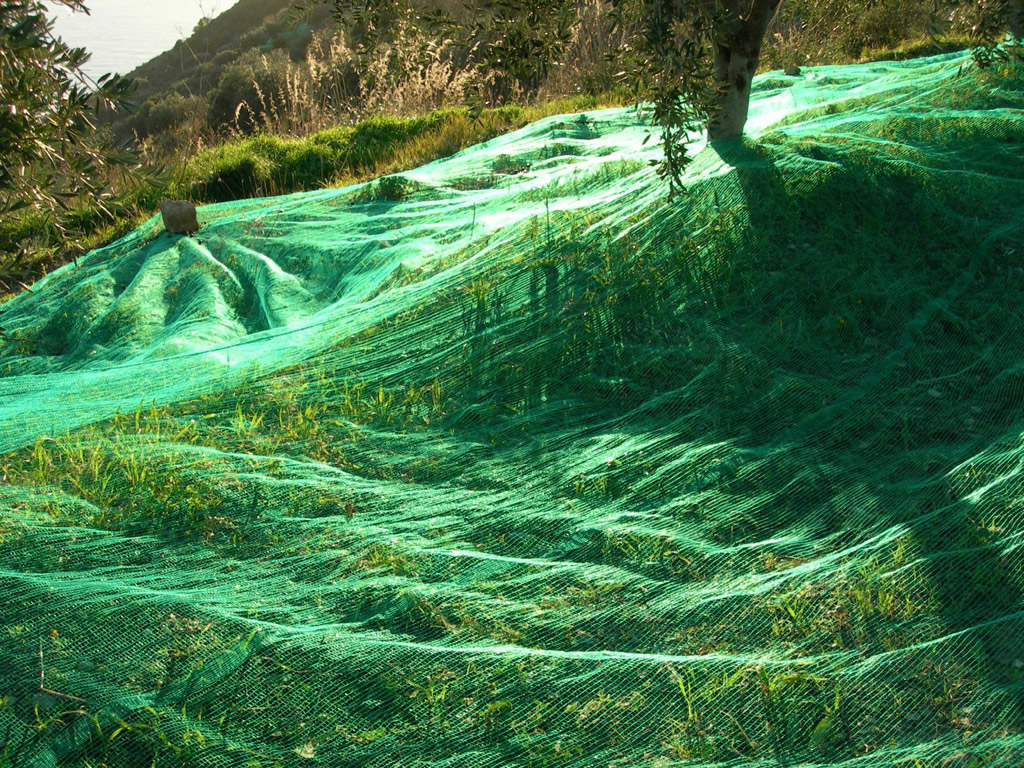
The olives must be harvested by December 31st of each year. This can be extended to January 30th in the event of specific climatic conditions and only with the permission of the Campania Regional Authorities. The olives used for production must be harvested directly from the tree, by hand or mechanically; milling must take place within two days of the harvest.
Appearance and Flavour
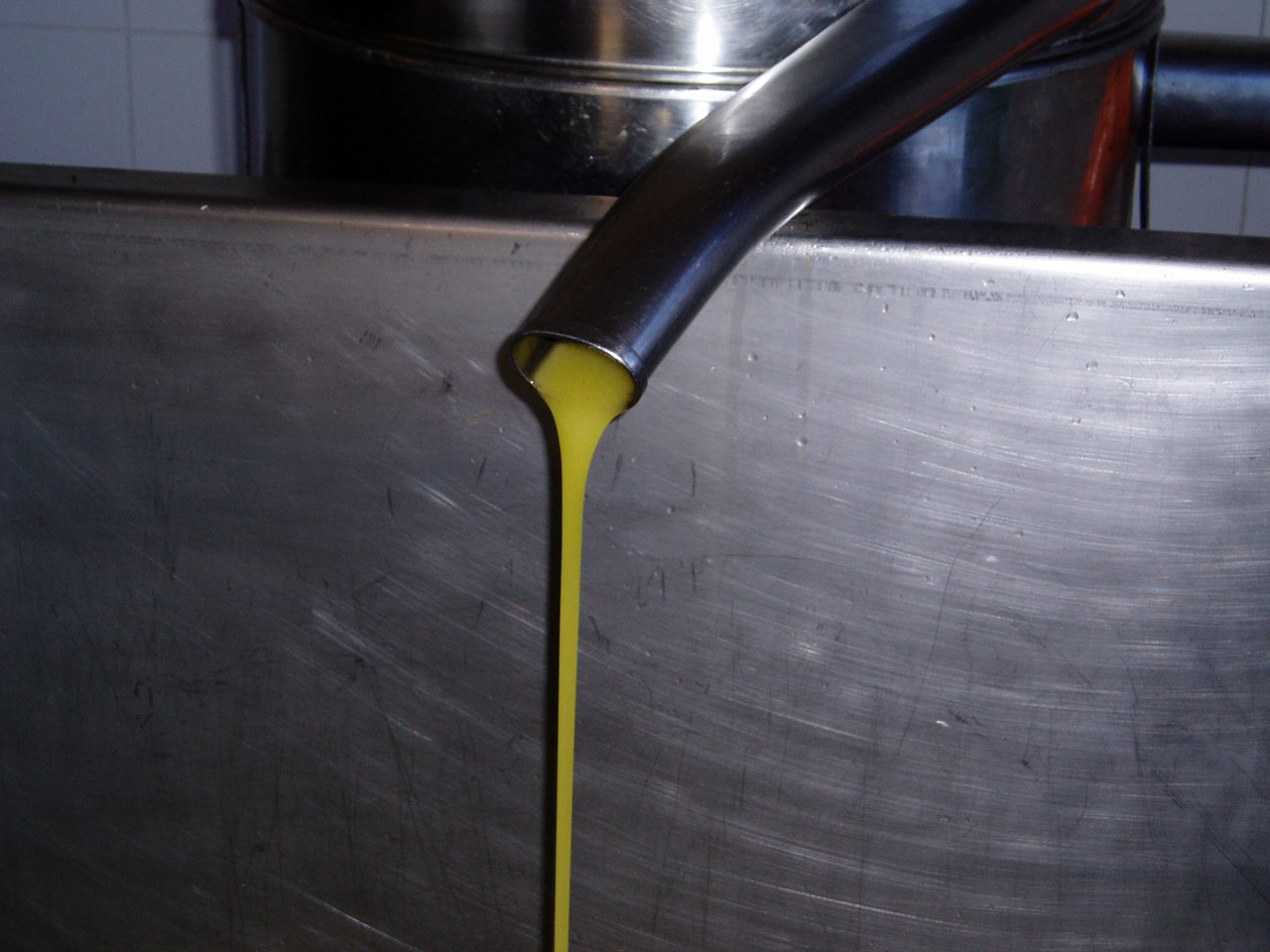
Cilento PDO extra virgin olive oil is green to straw-yellow in colour, varying in intensity; it has a light to mild fruity smell, and a fruity flavour with mild or faint bitter piquant hints.
History
The cultivation of olive trees in the production area of Cilento PDO extra virgin olive oil dates back to the time of the ancient settlements of Magna Graecia. Recent archaeobotanical research shows that there were already olive groves in the area in the 6th century BC. The introduction of the first olive trees is traditionally attributed to Phocaean settlers, who arrived from Greece and were known for being great seafarers. They introduced Pisciottana, the oldest local olive variety.
Gastronomy
Extra virgin olive oil is highly perishable and must be stored correctly in order to maintain its organoleptic properties. It should therefore be kept in a cool, dark place at a temperature between 14 and 18 °C, away from heat sources and other foods that emit strong odours. It should be consumed within 4-6 months of pressing to fully appreciate its flavour. Cilento PDO extra virgin olive oil has a delicate smell and is therefore ideal for bringing out the fragrance and flavour of various traditional local dishes. It is excellent for dressing boiled vegetables, legumes and salads, and for using in meat and fish dishes.
Marketing
The product is marketed as Cilento PDO extra virgin olive oil. It is sold in glass, ceramic, terracotta and tin plate recipients of no more than 5 litres. The label must bear the indication Chianti Classico, followed by the wording Protected Designation of Origin (PDO), the European symbol and the production year. The specific guarantee mark, which consists of a unique alphanumeric code that ensures the traceability of the product, must be on the packaging.
Distinctive Features
Cilento PDO extra virgin olive oil is characterised by a maximum acidity of 0.7 g per 100 g of oil, and a polyphenol level that is higher than 80 ppm.